

Ophthalmology
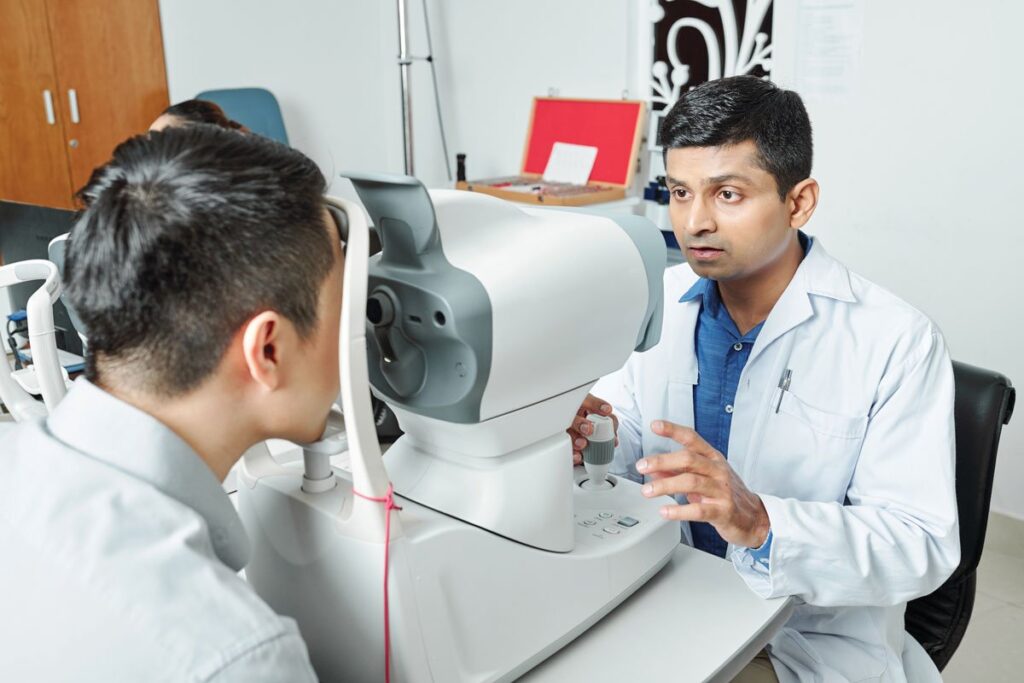
Who Needs Ophthalmology Care
Ophthalmology plays a vital role in preserving vision and protecting eye health across all age groups. It combines preventive care, accurate diagnosis, and advanced surgical methods to treat a wide range of eye conditions. Modern innovations such as laser surgery, AI-based imaging, and gene therapy are transforming the way eye care is delivered. Regular eye examinations not only maintain clear vision but also help detect systemic diseases like diabetes and hypertension at an early stage. With the growing challenges of digital eye strain and lifestyle-related issues, the importance of ophthalmology is greater than ever. Patient education and awareness remain central to preventing avoidable blindness. The field continues to advance with research and technology, offering hope for previously untreatable conditions. By restoring sight and enhancing visual health, ophthalmology improves both confidence and quality of life. Ultimately, its goal is to ensure that every individual enjoys the gift of clear and lasting vision.
Scope of Ophthalmology
Vision Care: Routine eye examinations, prescribing glasses and contact lenses.
Medical Treatments: Managing conditions such as glaucoma, cataract, diabetic retinopathy, and macular degeneration.
Surgical Procedures: Cataract surgery, LASIK and refractive surgeries, corneal transplants, retinal surgeries, and cosmetic eyelid procedures.
Pediatric Ophthalmology: Specializing in eye disorders among children, such as strabismus (crossed eyes) and amblyopia (lazy eye).
Neuro-ophthalmology: Studying eye problems related to the brain and nervous system.
Importance of Ophthalmology
Preserves and restores vision, improving quality of life.
Detects early signs of systemic diseases such as diabetes and hypertension through eye exams.
Reduces the risk of blindness with timely intervention and preventive care.
Enhances patient confidence and independence by improving sight.
Recent Advances
Laser & Refractive Surgery: Minimally invasive procedures to correct vision.
Robotics & AI in Eye Care: AI tools for early detection of retinal and corneal diseases.
Advanced Imaging: Optical Coherence Tomography (OCT) for detailed imaging of eye structures.
Gene & Stem Cell Therapy: Emerging treatments for inherited and degenerative eye conditions.
Conclusion
Ophthalmology plays a vital role in healthcare by combining clinical expertise, advanced technology, and compassionate patient care to protect one of our most important senses—vision. With continuous research and innovation, the future of ophthalmology holds great promise in eliminating preventable blindness and improving global eye health.